How far we’ve come part three: Animal genomics
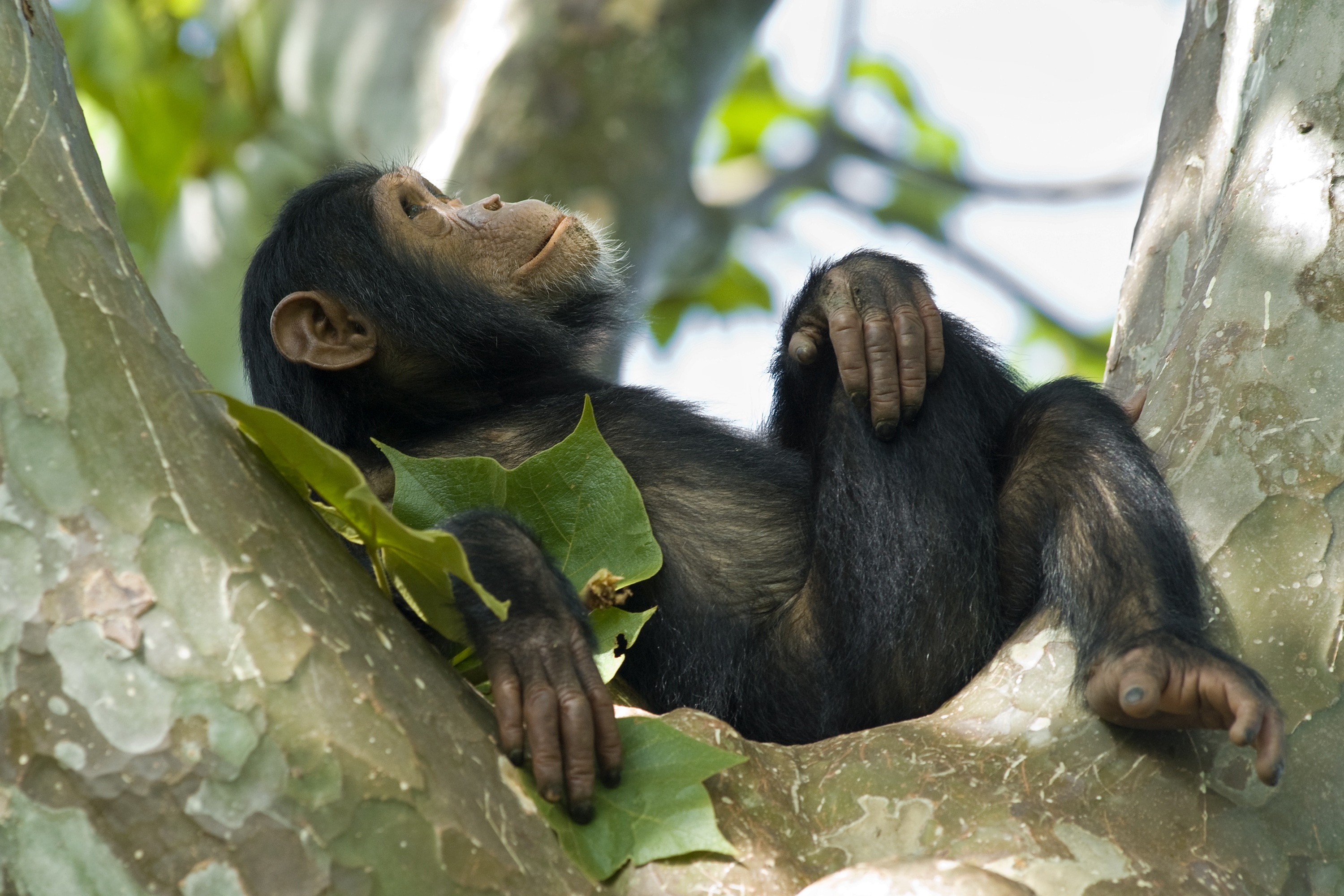
As we close out PAGBio Day 2022, there is one more key part of genomic natural history to consider – animal genomics. As we’ve outlined in prior posts,…

This blog features voices from PacBio — and our partners and colleagues — discussing the latest research, publications, and updates about HiFi sequencing.
As we close out PAGBio Day 2022, there is one more key part of genomic natural history to consider – animal genomics. As we’ve outlined in prior posts,…

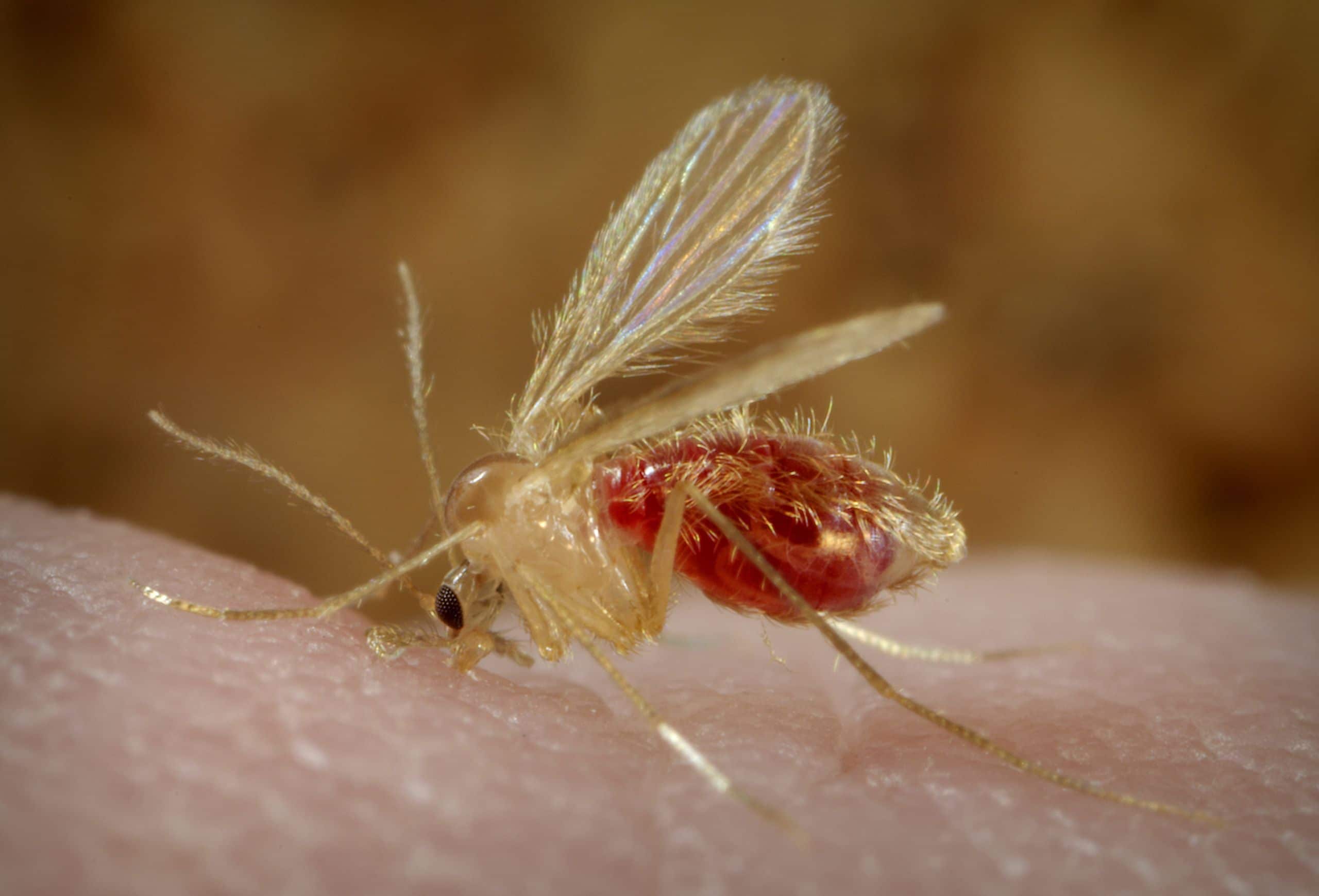
Much has changed since the first insect genome assembly (Drosophila melanogaster) was published in 2000. With PAGBio Day 2022 registration kicking off this week, we thought it was…
Hibernating bears have heart rates of 10-15 beats per minute, yet they do not develop congestive heart failure. Despite accumulating enormous amounts of fat and acquiring insulin resistance, they do…
Today we’re pleased to announce the three winners of our latest SMRT Grant which called for teams of researchers and collaborative projects that could be addressed using the power of…
It’s been a year since we took a little field trip to Stanford to collect samples from the giant California redwood (Sequoia sempervirens) with the goal of assembling its ginormous…
UPDATE — September 3, 2021: This paper is now published in Genome Biology. ORIGINAL POST What does the ideal genome assembly look like? High-quality, free of errors, with no…
They may not be as well known as our chimpanzee or gorilla cousins, but macaques have played many key roles in scientific progress over the last half century. From launching…
Felix, Garfield, Leo the Lion — despite their differences, the genomes of these frisky felines are highly conserved across the family, even among its most divergent members. A new set…
It’s one of the questions we hear most often from scientists working with small organisms: Is it possible to generate truly high-quality, long-read data from minuscule amounts of DNA? With…
How do bacteria manipulate plant biology to cause blight and rot? Why are some pathogen strains more virulent than others? How can we engineer resistant staple food crops? These are…
With a nickname like “murder hornet,” it’s no wonder the two-inch long Asian giant hornet (Vespa mandarinia) has caused a stir amongst those terrified of insect invasions. The wasps —…
Tackling larger and larger genomes has been an attractive pursuit for many scientists as sequencing technologies improve at rapid rates. But what about the other end of the spectrum —…
California redwoods: Not only are they giants in height and age (up to 379 feet high, 29 feet round, and thousands of years old), but the famous towering trees are…
Since the first PacBio instrument was released in 2011, methylation detection has been one of the advantages of SMRT Sequencing. The kinetics of nucleotide incorporation change as the DNA polymerase…
Meerkats, yaks, geese, and lots of flies — oh my! A full menagerie of new and updated animal genomes has been released by the Ensembl project. The Ensembl 99…
If you have a question, need to check the status of an order, or are interested in purchasing an instrument, we're here to help.